


Overname van een handelszaak:
15 knelpunten onder de loep
Mr. Vanessa Ramon en mr. Mariël Van Vynckt (Cygnus Advocaten)
Webinar op donderdag 18 maart 2027

Aansprakelijkheid voor gebrekkige producten:
de uitbreiding van Boek 6 BW
(inclusief handboek)
Dhr. Constant De Koninck (Rekenhof)
Webinar op donderdag 20 mei 2027

Generatieve AI
in de juridische praktijk
Dr. Wim De Mulder (KU Leuven)
Webinar op donderdag 25 februari 2027
Wenst u meerdere opleidingen
te volgen bij LegalLearning?
Overweeg dan zeker onze voordeelformules!
Krijg toegang tot +250 opleidingen
Live & on demand webinars
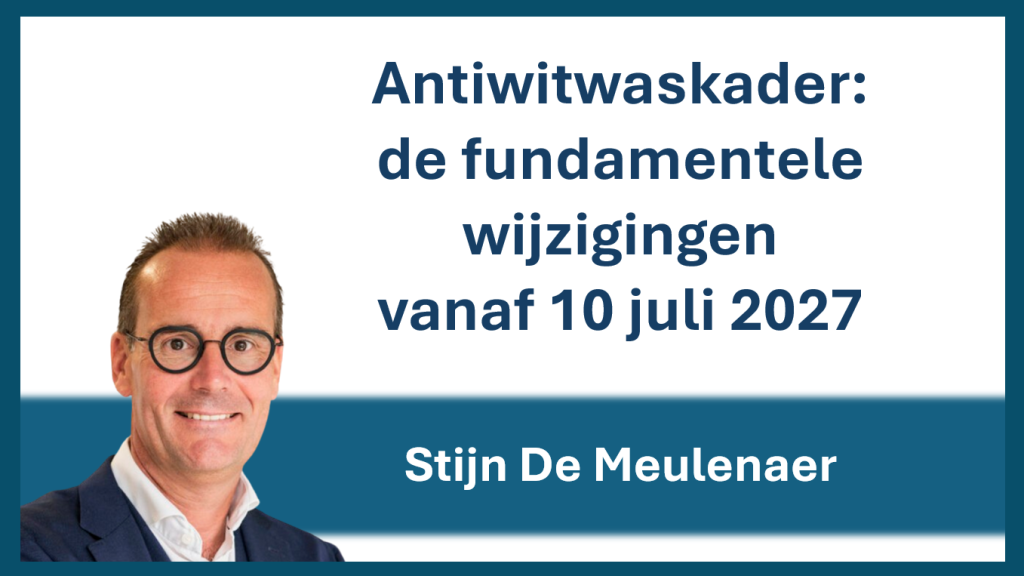
Antiwitwaskader:
de fundamentele wijzigingen
vanaf 10 juli 2027
Mr. Stijn De Meulenaer (Everest)
Webinar op vrijdag 16 april 2026
Online platforms further regulated in the context of the EU’s New Deal for Consumers (& DE BANDT)
Authors: Karel Janssens, Marion Nuytten, Ludovic Panepinto and Alice Asselberghs (& DE BANDT)
Publication date: 11/02/2020
The European Commission’s “New Deal for Consumers” initiative aims to strengthen and modernise EU consumer protection rules in the digital society. In this context, the EU has recently adopted the Directive on better enforcement and modernisation of EU consumer protection rules (Directive 2019/2161).
The new Directive also focuses on the relationship between online service providers, such as online marketplaces, social media platforms and comparison websites, and consumers. As such, the Directive complements the previously adopted Platform-to-Business Regulation (Regulation 2019/1150) that introduced transparency requirements in the relationship between online intermediaries and traders.
These are some of the key aspects of the new Directive:
- Transparency on online marketplaces: Consumers have to be informed whether the third party offering the goods or services on the marketplace is a trader or a non-trader (private individual). If it concerns a non-trader, the consumer must be warned that EU consumer protection rules do not apply. Also, the online marketplace must inform the consumer whether the supplier or the marketplace itself is responsible for e.g. the delivery, handling the returns, etc.;
- Rankings: Higher ranking of commercial offers has an important impact on consumers’ behaviour. Online platforms will therefore have to inform consumers about the main criteria determining the ranking of the offers provided in response to a search query (e.g. price, distance, consumer ratings), and have to clearly indicate when a trader has directly or indirectly paid the platform for a higher ranking;
- Consumer reviews: As consumers increasingly rely on consumer reviews when they make purchasing decisions, traders will have to inform consumers whether processes are in place to ensure that the reviews originate from consumers who have actually used or purchased the products. Submitting fake reviews and endorsements, such as ‘likes’ on social media, is expressly prohibited;
- ‘Free’ digital services: Some important EU consumer rights only apply to service contracts, including contracts for digital services, under which the consumer has to pay a price. Today, many digital services are supplied free of charge but require consumers to provide personal data in order to be able to make use of the service (e.g. social media platforms). Under the new Directive, these “free” online platforms will be subject to the same consumer protection rules (such as the information obligation, the right to withdrawal, etc.) except where the personal data provided by the consumer are exclusively processed for the purpose of supplying the digital service or for meeting legal requirements;
- Personalised pricing: Consumers must be clearly informed when the price presented to them is personalised on the basis of automated decision-making and profiling, so that they can take into account the potential risk that the price has been increased;
- Price reduction claims: Price reduction claims will have to indicate as reference price the lowest price applied by the platform within a period of at least 30 days prior to the application of the price reduction;
- Penalties for cross-border infringements: To ensure that penalties in relation to widespread infringements can be effective, proportionate and dissuasive, national authorities will be able to impose maximum fines of at least 4% of the platform’s annual turnover in the Member State or Member States concerned.
Member States have until 28 November 2021 to transpose these measures into national legislation and will be required to apply them as from 28 May 2022. The Platform-to-Business Regulation will already apply from 12 July 2020.
» Bekijk alle artikels: Handel & Consument
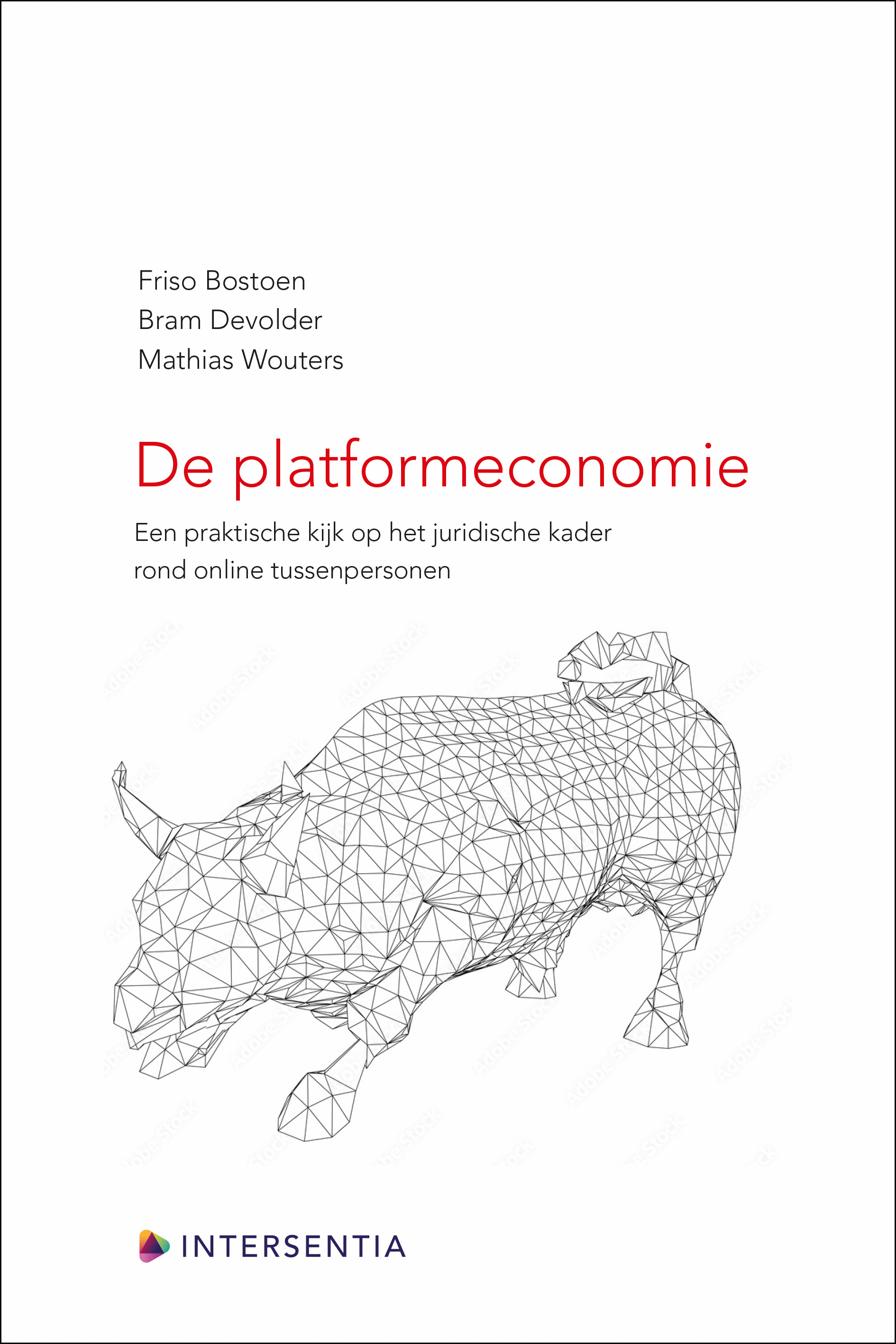








Boeken in de kijker: